

Who Is Bian Lee?
Bian Lee is a PluggnB producer, classically trained musician, and software engineer based in Orange County, California. We produced What You Said! together, and later co-produced Title Track for my debut album, Au Revoir.
His music makes more sense once you know how his brain works. He is just as comfortable talking about software as he is talking about chords.
According to his website, he graduated from UC Davis with degrees in computer science and economics and now works as a software engineer at Coinbase. On the same page, he still introduces himself as a PluggnB producer. I respect that. Music is not presented like some old phase he grew out of when the tech career became serious. Both sides are part of who he is.
That combination was one of the first things that clicked for me. I care about software and coding too, so our conversations do not have to stay inside one lane.
How We Connected
He reached out on Instagram. We started talking, and it felt natural pretty quickly. There was no formal networking strategy behind it. We were two producers in overlapping parts of the underground who liked what the other person was making.
At some point, I gave him a melody to work with. I did not send a complete song or a detailed plan for what it needed to become. He developed it into a beat and posted S25, a short producer-instrumental clip showing what he had made. Hearing it was the moment I knew I wanted us to finish something together. He could recognize what was useful in a small idea without needing me to explain every possible direction.
That S25 beat became What You Said!. They are not two separate records built from the same starting point: S25 is the instrumental snippet, and What You Said! is the completed song we made from it.
Our First Collabs


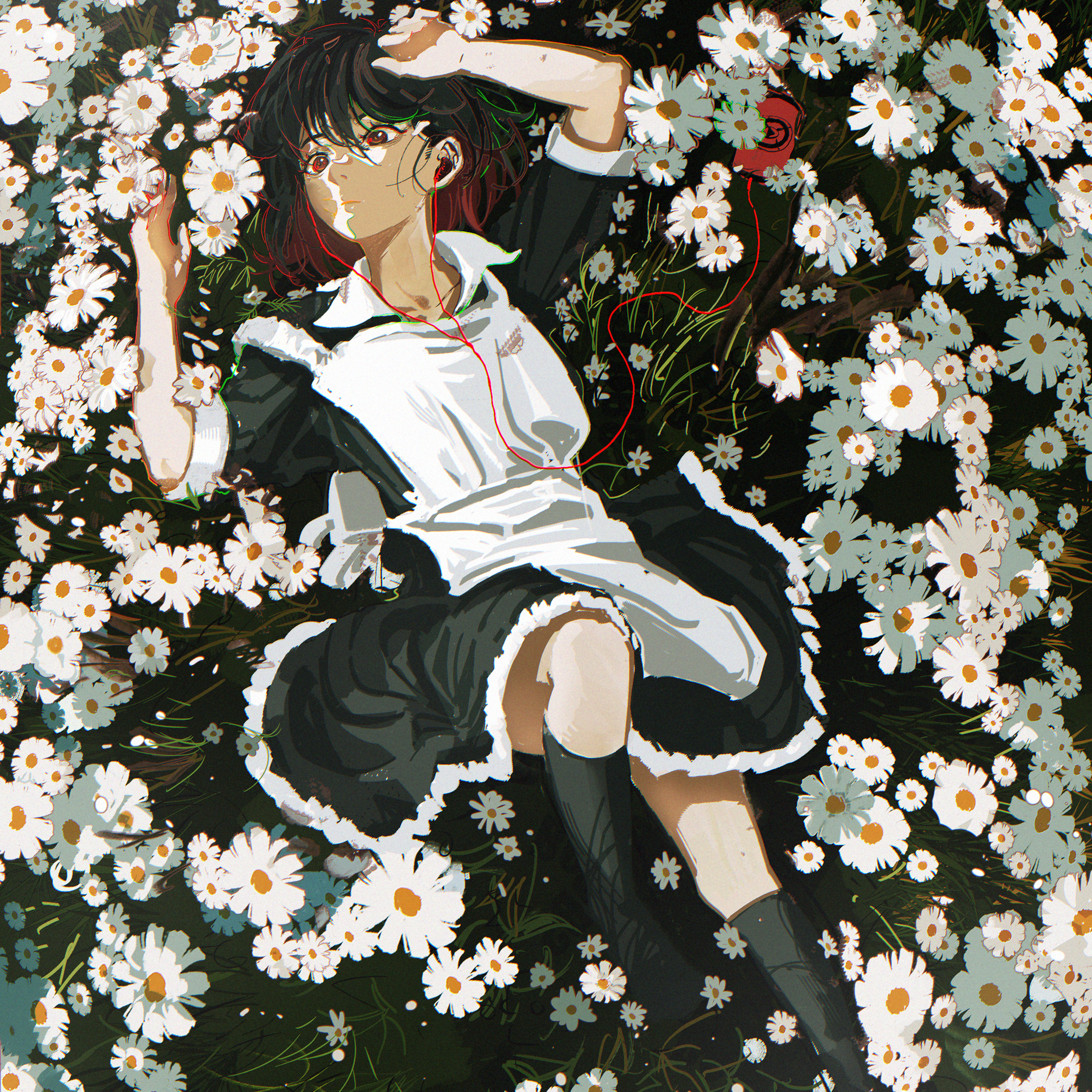
What You Said!
What You Said! was our first released collaboration. Bian is featured on it and produced it with me. The finished song sits somewhere between PluggnB, hyperpop, and diary music, which is close to the overlap we had when we first connected.
The progression is straightforward: I sent the melody, Bian developed the beat and posted the S25 clip, and then we turned that same beat into the finished track. Bian produced the song with me.
That taught me something useful about sending ideas to other producers. If I hold onto every melody too tightly, I only get the version that already exists in my head. Giving somebody else room can move an unfinished idea closer to an actual record.
Coming Back for Title Track
Our more recent track together is Title Track, the third song on my debut album, Au Revoir. Bian and I co-produced it.
I mean, yeah, the song was already done by the time I sent it to him but I felt like it was missing something, and honestly I felt that Bian was a perfect match for the original loop I sent him. I also just wanted to include him on my album.
By then, the collaboration was not just one successful exchange from Instagram. We had already seen how each other worked, and I knew I could trust his decisions. Bringing him into the album felt natural because Au Revoir was supposed to document the people and sounds around me during that part of my life. Leaving him out would have made that picture less honest.
There is a difference between adding a producer's name to a track and developing an actual working relationship. A real collaborator begins to understand what you are trying to protect in a song. They know when to add something, when to question something, and when the record already says enough.
Why It Works
He's deep in the same scene I'm in: Emoplugg, diary, and PluggnB. We understand the same references, but we do not approach every idea in exactly the same way. That difference matters more than having identical taste.
What separates him from a lot of producers is that his classical background is not just a fun fact. It changes how he hears structure and harmony. He knows when something is done. That kind of restraint is hard to find, especially when producing digitally makes it possible to keep adding layers forever. Being trained in theory myself, I understand the value of that restraint.
I also value that he has a life outside music. He takes the work seriously without needing to perform the image of a producer every second of the day. That makes the collaboration feel grounded. We can care deeply about a record without pretending a single session is the entire universe.
Where We Are Now
The path from the S25 clip to What You Said! showed me what we could finish from one shared idea. Title Track proved that the connection could continue beyond that first beat.
I do not know what every future record with Bian will sound like, and that is the point. I already know what he brings: theory without showing off, technical thinking without making the music feel mechanical, and enough restraint to let an idea breathe.
I am glad we kept working together.
— cav